
Ah, 2010 – what a year for science fiction-themed art pop albums breaching the mainstream! We all fondly remember it. I do, anyway. Let’s take a look at just three of those – looks like they came out by the dozens that year, very baffling.

Now put some voodoo on it
The ArchAndroid (2010): Genre Classic, 8/10
13 minutes of establishing mood and narrative in mediocre contemporary dance and R&B styles is quite a gamble when you have one of the most exciting, most ambitious, most dizzying sci-fi art pop albums of the decade on your hand. ArchAndroid is a cornucopia of musical styles – classic soul, trad pop, vocal jazz, McCartney ditties, space rock opera, dance-funk, psychedelic rock, chamber pop extravaganza – these and more are most visible as influences. ArchAndroid is also a cornucopia of personality. Monáe keeps this brew from cooking over with sheer poise and a lush, glossy production that is a tight fit with the metropolitan concept – maybe to a fault.
Personally, I’d wish for more sweat and grit to some of the songs here (the supposed psych-freak out of “Come Alive” is a good example of being sold a bit short by its sheen), but if you have songs like the operatic, hazlewoodesque “Sir Greenwood”, the lost-on-the-dancefloor-anxiety of “Cold War” or the showstopping bubble-funk “Tight Rope”, there is really no argument not to peg this among the album of the decade-candidates. There are more highlights and the album would work better as a double album (manifesting its deserved place among sci-fi operas), but when it comes to virtuosity, boldness and ambition in a big pop context, Monáe hit it out of the park here.

It gives it all it gots
The Age of Adz (2010): Genre Acquisition, 5/10
Regularly bookmarked as the dark horse of his albums – the “true fan” favourite, the masterpiece for the privy – Age of Adz certainly delivers in quantity, or, rather, quantitativeness: This is certainly “the most” of his multi-layered, dense art pop, its texture constantly hustling for the woozy vibrations holding together our celestial bodies. The album’s synthetically engineered orchestral sound with tingling triangles, cinematic choirs, flutes and glitchy beats is always on the move – as if afraid of a moment with too much room for contemplation. I’m no particular fan of Stevens’ fey, shimmering vocal festoons or his repetitive melodies (mentioned movement is all in the intricate, inventive arrangements) – but if this is your cup of tea, be sure to indulge.
It’s automated computer speech
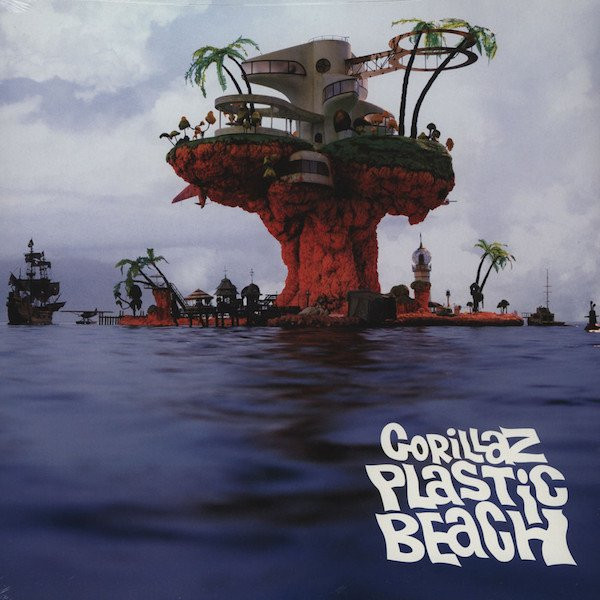
Plastic Beach (2010): for Completists, 3/10
When the amazing Gorillaz-project stranded on their plastic beach (is this about the CD-era? Is the next album going to be Cloud Atlas?), little of the flotsam washed ashore: Albarn as a conférencier for every contemporary music style, ending up with an indistinct mush of slick downtempo, synth ambient, lackluster hip hop and Albarn’s falsetto crooning mediocre pop melodies over many a programmed beat.
As if to make up for the vaccum, the album is chock-full with collaborations and guest appearances. Even Lou Reed himself can’t save the one-dimensional ditty „Some Kind of Nature“ (which is a rehash of his „Some Kinda Love”). Besides a few funny hip hop interjections, the album sounds almost weary – really tired. And if there is something like a pop melody not immediately trivial, it’s directly quoted from – that’s right – the Beatles (compare „And Your Bird Can Sing“ with „On Melancholy Hill“ – it even includes a lyrical quote, to give it the touch of a homage). I just don’t know, this gives electronic music and slick pop an insipid name. If I want this kind of message with more musical ambition, I listen to the Songs of the Humpback Whale.
 Text Lambrecht